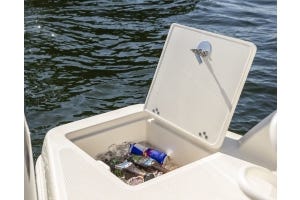
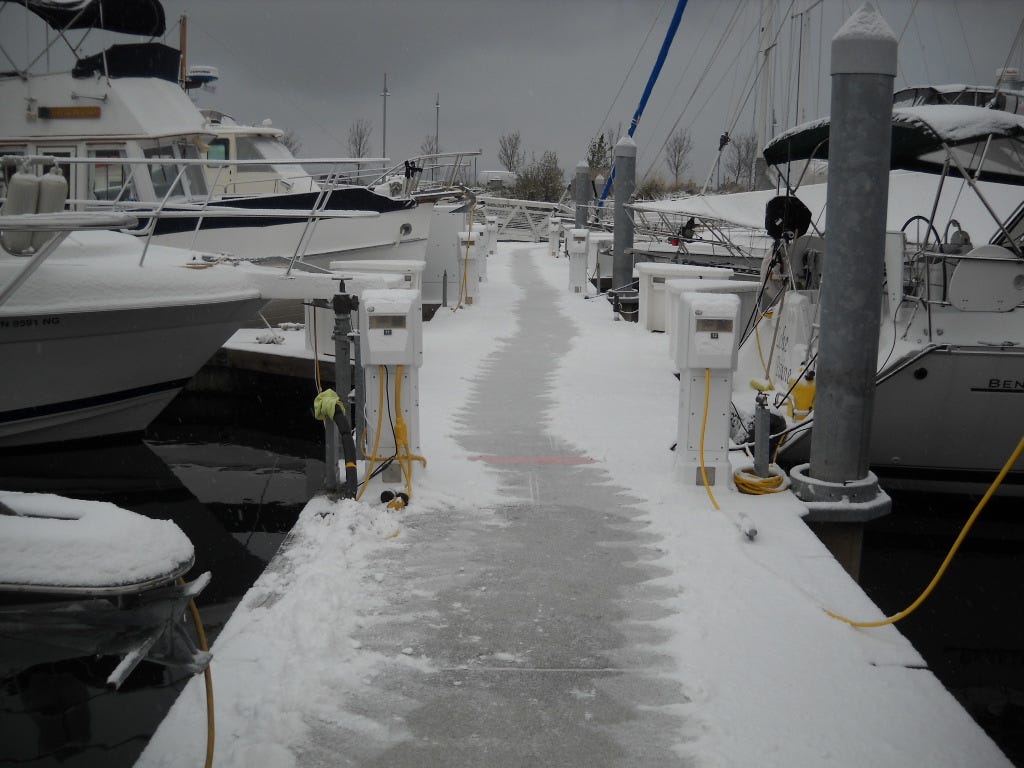
Winter boating? Sure, if you don’t mind a little ice in your beard. Keep that battery strong, fuel fresh, and livewell empty. Then grab my no-bull winterization checklist before Jack Frost takes his shot at your boat.
wear it
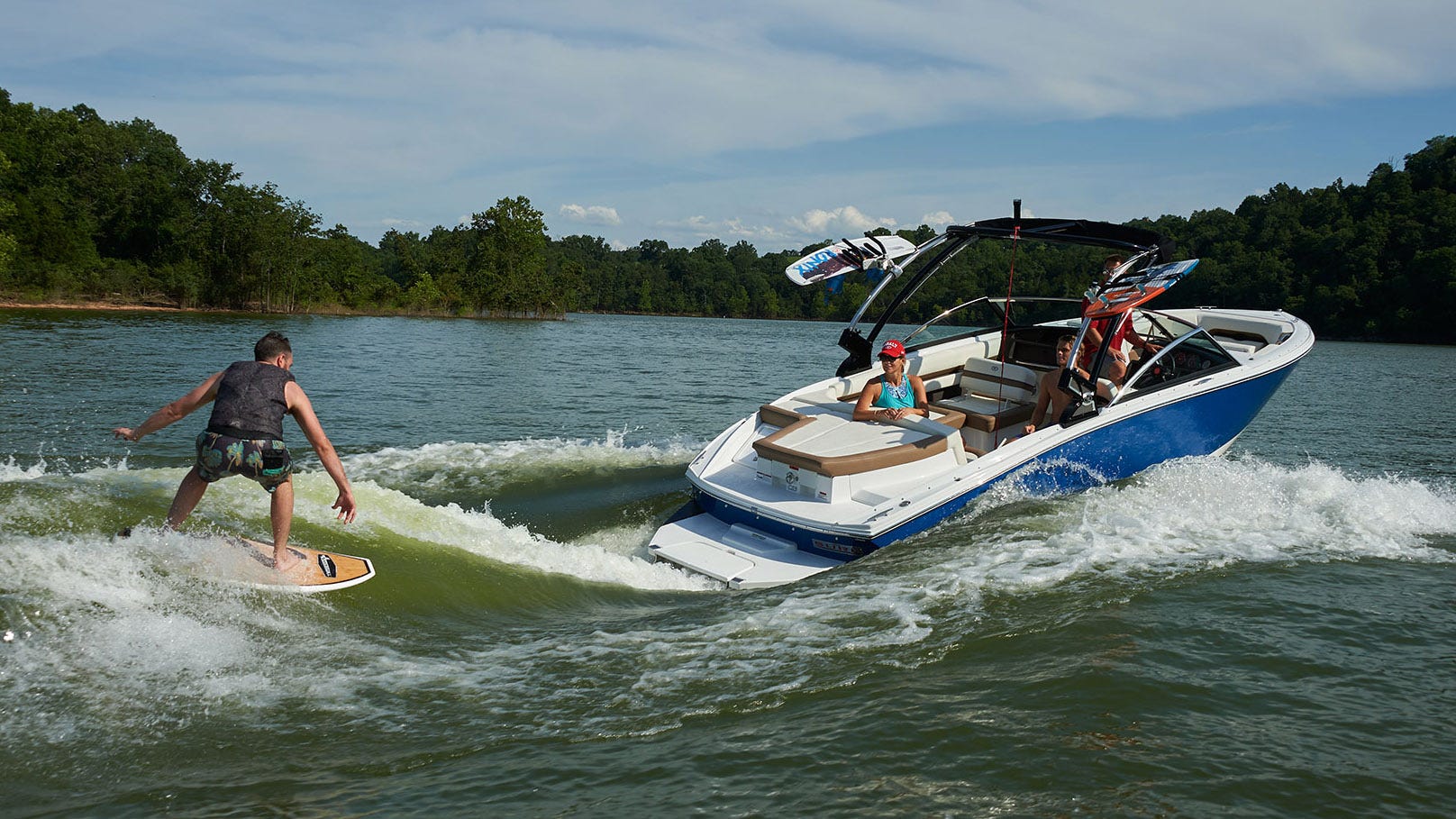
With the right boat and a wake surfboard, the surf’s up whenever you want! No one knows for sure who was the first brave soul to try surfing a boat's wake, but the sport has come a long way since the 1960s, with specially-designed boats and boards.
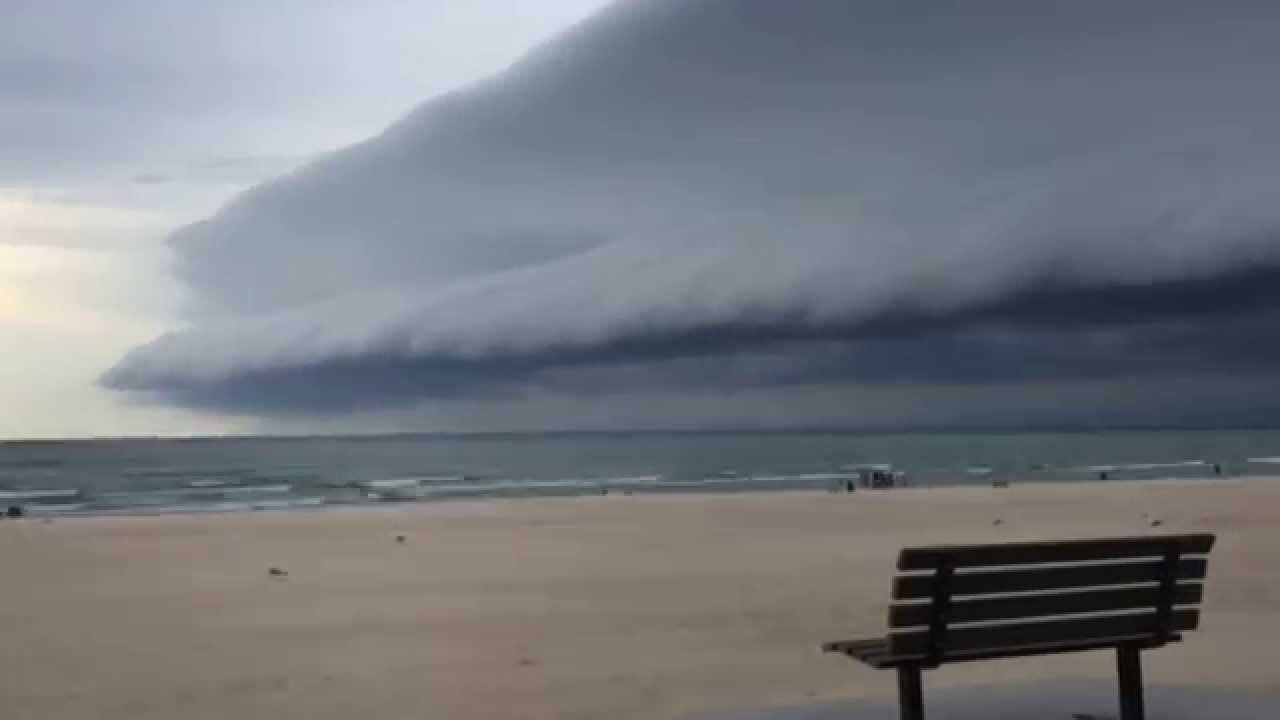
Summer! It's finally time for long, sunny days, warm weather - and storms, which can cause more damage than just wet clothes and dampened spirits. Strong winds can whip up waves to dangerous heights, and lightning can be lethal.
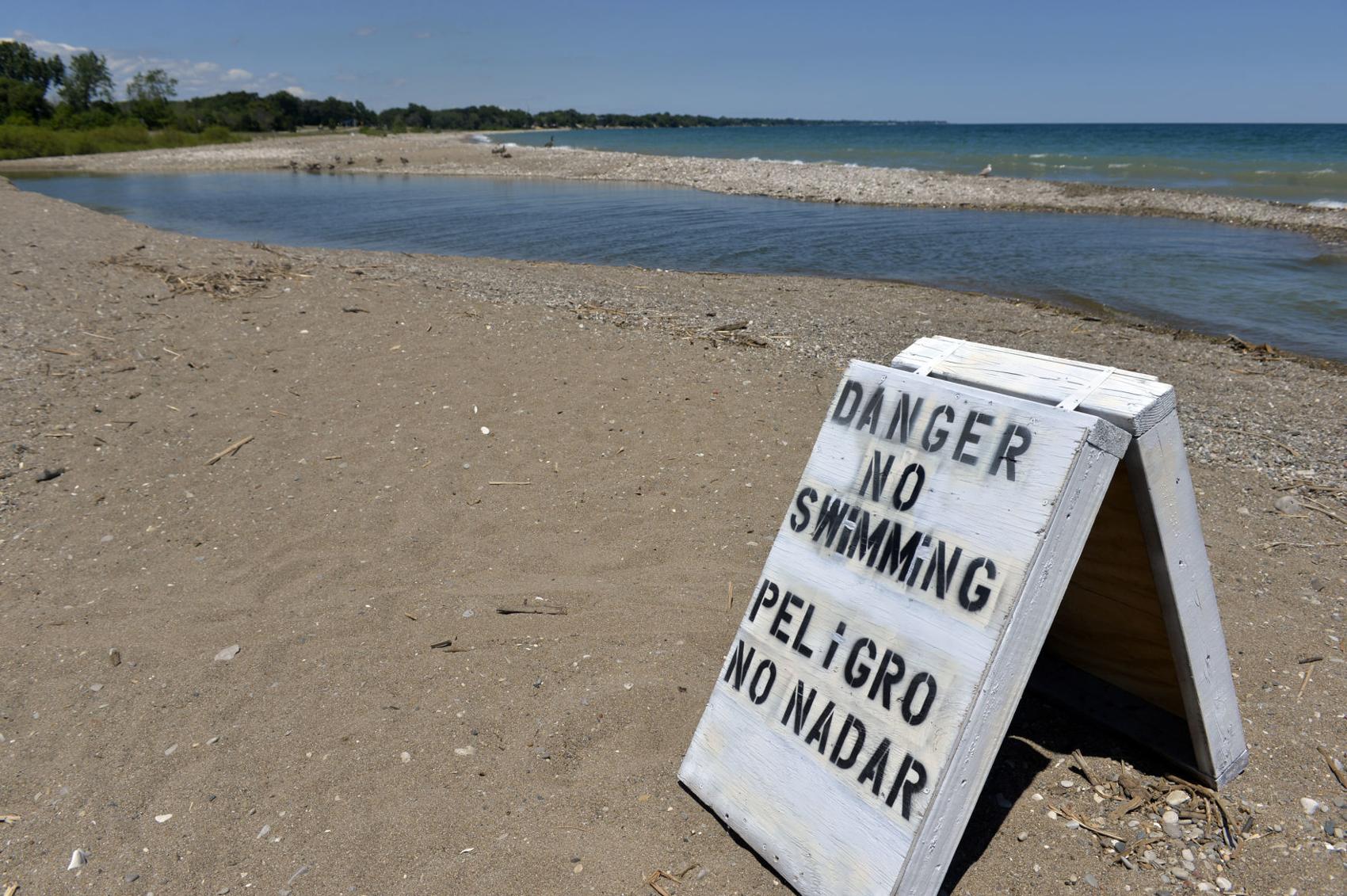
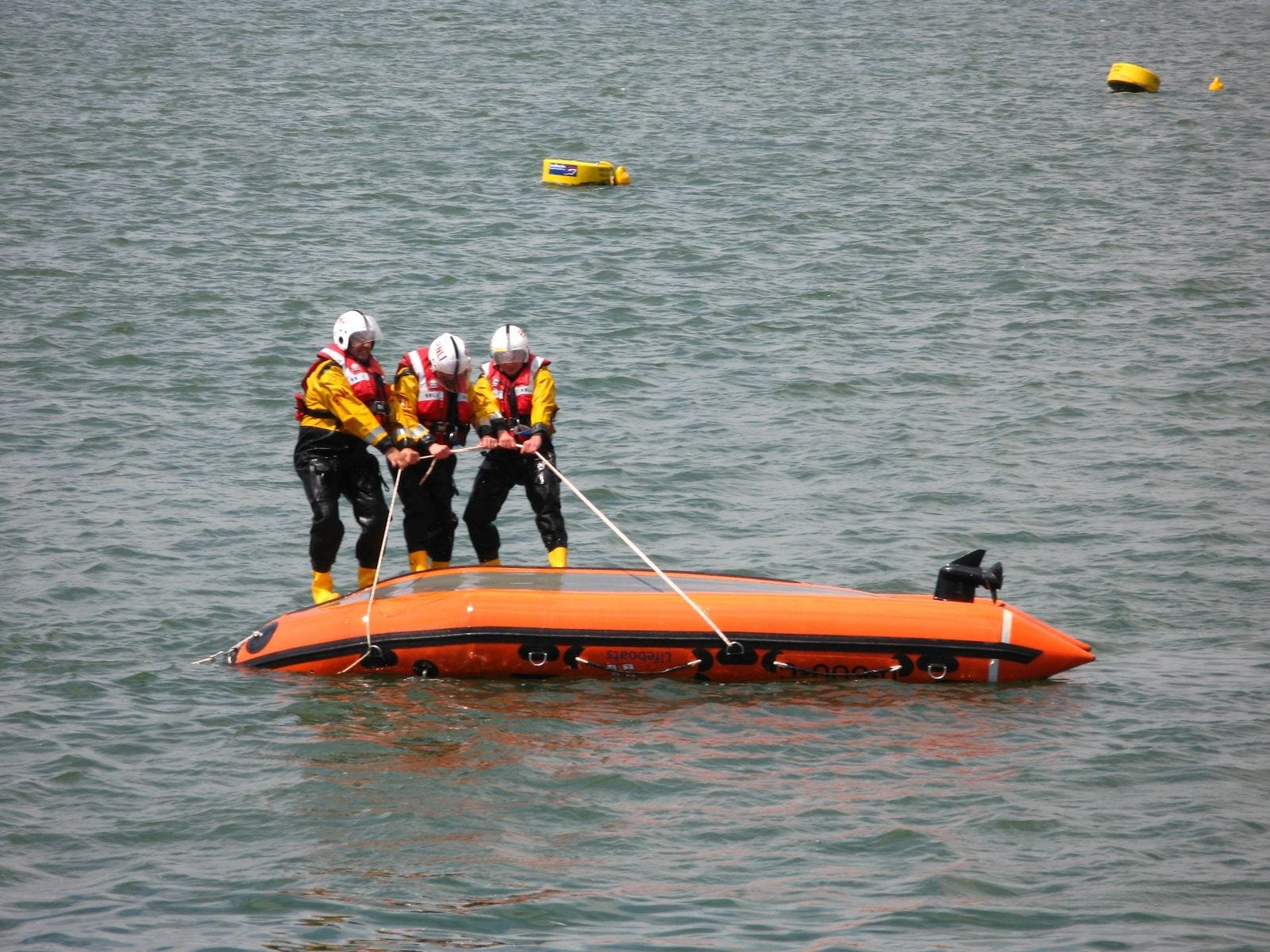
With several high-profile boating tragedies in the news lately, we wonder: when something goes wrong, will you be ready? Thorough preparedness for marine disasters is beyond the scope of a blog post, so the Skipper suggests taking a boater safety course. The Boat US Foundation has free boating safety courses for each state, and the United States Coast Guard Auxiliary has a list of safe boating classes, both fee-based and free. Here are five points for preparedness. File a float plan. Make sure someone knows when you're leaving, where you're going, and when you intend to return. This form from the United States Coast Guard Auxiliary can be filled out online and printed, or printed as is and filled out by hand. Leave a copy with a trustworthy person on shore. A float plan helps searchers know where to start looking for you if something goes badly wrong. Show 'em the ropes. Before casting off, show your passengers where the fire extinguisher, first-aid kit, and emergency signals are.